The History of ISTC
Indo Swiss Training Centre (ISTC) was established in 1963 as a joint collaboration between the Government of India and the Swiss Foundation for Technical Assistance, Zurich, Switzerland. It operates under the aegis of CSIR–Central Scientific Instruments Organisation (CSIR-CSIO), a premier laboratory of the Council of Scientific and Industrial Research (CSIR), under the Ministry of Science & Technology, Government of India.
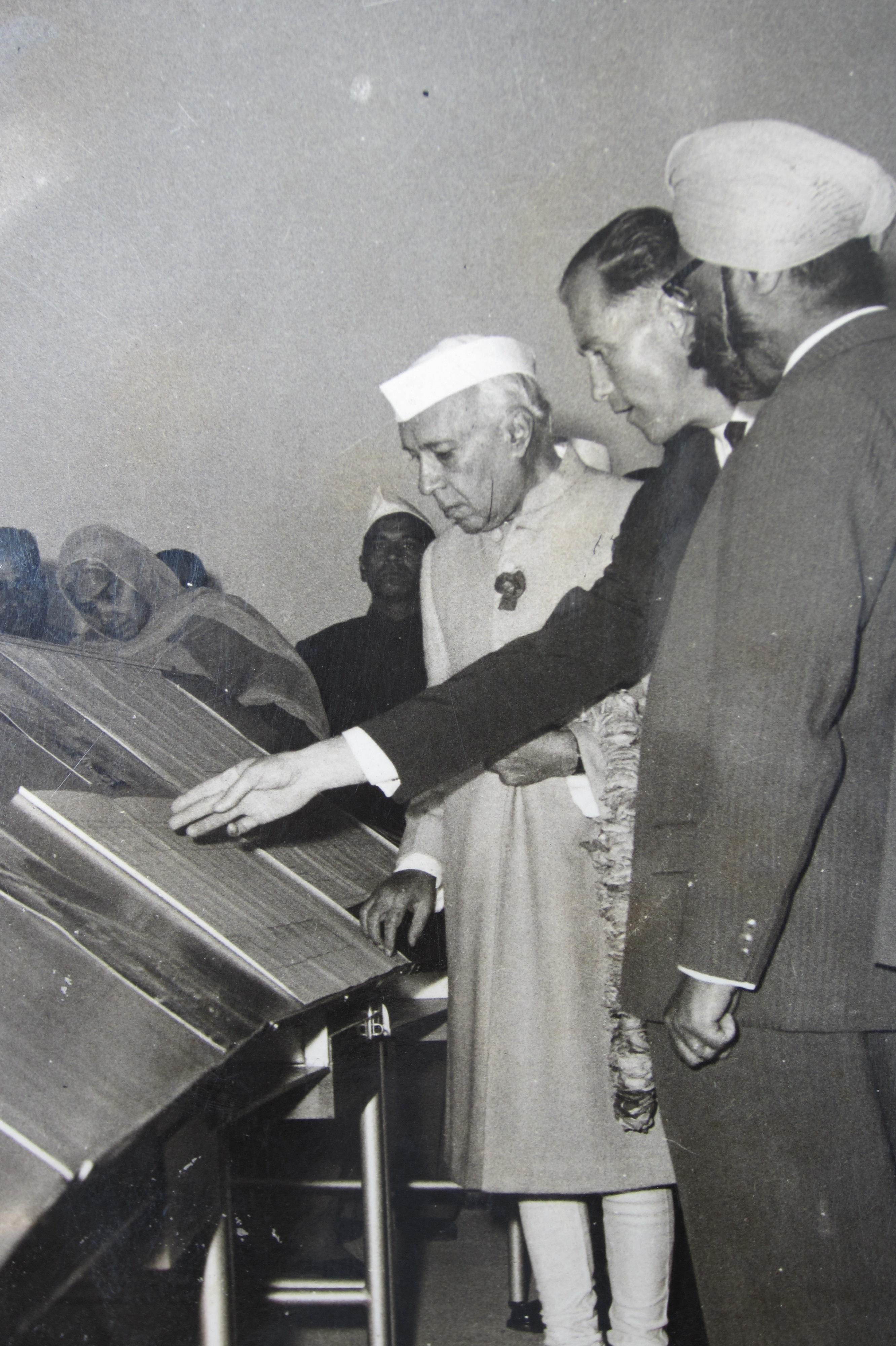
The Centre was formally inaugurated on 18th December 1963 by India's first Prime Minister, Pandit Jawaharlal Nehru — a moment that marked the beginning of a unique Indo-Swiss partnership in technical education that continues to this day.
ISTC is located within the CSIR-CSIO campus at Sector 30-C, Chandigarh — a sprawling 120-acre campus on the Ambala-Chandigarh highway, housing world-class R&D laboratories, modern workshops, hostels, an auditorium, library, sports facilities, and a medical dispensary.
Key Milestones
ISTC founded. First course: Diploma in Instrument Technology (3-year). Inaugurated by PM Pandit Jawaharlal Nehru on 18th December.
Post Diploma Course in Industrial Electronics added — expanding into electronics with Swiss support.
Advanced Diploma in Die & Mould Making launched with Swiss Foundation collaboration. 30 seats.
Post Diploma in Industrial Electronics upgraded to Advanced Diploma in Mechatronics & Industrial Automation — keeping pace with Industry 3.0.
Major modernisation plan: hostels renovated, new workshop building constructed, labs upgraded with CNC, EDM, FMS, CMM, robotics and automation equipment.
Two new 3-year diplomas launched: Diploma in Mechanical Engineering (Tool & Die) and Diploma in Electronics Engineering. AICTE-approved. 60 seats each.
Both 4-year advanced diploma programmes restarted on industry demand.
ISTC Innovation Cell established under MHRD's Innovation Cell mandate. Awarded 4-Star IIC rating by MoE & AICTE.
59th Convocation held. 61st Foundation Day celebrated as Diamond Jubilee Year.
Courses Offered
All courses are AICTE-approved and affiliated with the Directorate of Technical Education, U.T. Chandigarh. Admission is based on merit in the annual ISTC Entrance Exam conducted by CSIR-CSIO.
Admission Process
Eligibility
Entrance Exam Pattern
Total Seats — 180
Training Fees (Per Semester)
| Fee Head | Day Scholar | Hostler |
|---|---|---|
| Training Fee (per semester) | ₹17,500 | ₹17,500 |
| Students Welfare Fund (per semester) | ₹2,500 | ₹2,500 |
| Hostel Fee (per semester) | — | ₹6,000 |
| Admission Fee (one-time) | ₹1,000 | ₹1,000 |
| Security Deposit (refundable) | ₹5,000 | ₹7,000 |
| Total First Semester | ₹26,000 | ₹34,150 |
Fees subject to revision at the time of admission. Stipends and freeships available on merit-cum-means basis. SC/ST/OBC post-matric scholarships available as per Govt of India rules.
Campus Life
Extracurricular Activities
Established under the Ministry of Education's Innovation Cell mandate in October 2018, ISTC's Innovation Council has been awarded a prestigious 4-Star rating (out of 5) by MoE & AICTE — placing it among the top innovation-driven technical institutions in India.
Placements & Industry Impact
Where ISTCians Work
"Many ISTCians are successful entrepreneurs, having set up around 450 units all over India with turnovers ranging between ₹10 Crore to ₹600 Crore — contributing around ₹12,000 Crore annually to the national exchequer, apart from providing impetus to the growth of manufacturing."
The ISTC Approach
What makes ISTC different is not what it teaches, but how. The philosophy is "learning by doing" — every student works on machines individually and is trained to execute real industrial jobs from day one. Theory without practice is never enough.
Frequently Asked Questions
An ISTCian? Join the Network.
ISTCKonnect connects graduates across all batches — from 1963 to today. Find your batchmates, share your story, and stay part of the family.